Thursday, 15 December 2016

Monday, 5 December 2016
Saturday, 19 November 2016
The Woman in Black
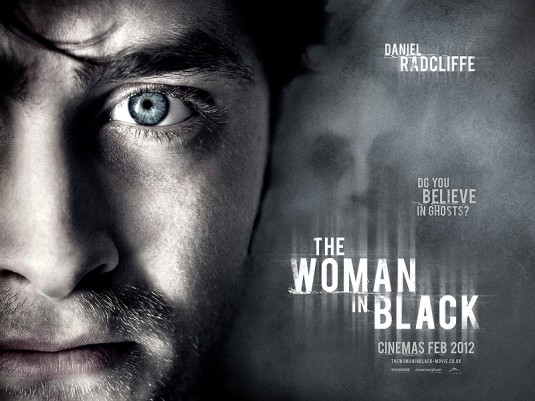
1. Who do you think the primary and secondary target audience is for The Woman in Black?
The main/primary audience for 'The Woman in Black' is mostly males and females who are under the age of 20, apart of BC1 who enjoy watching jumpy horror films . This is because of who plays the main character within the film would mostly be attractive to those who would have watched Danial Radcliff's 'Harry Potter' series. Also which points to this audience being the primary one is the certificate of the film (12A) which says that it isn't your conventional gory horror film. The secondary audience would be those who are aged from 20-45, middle class (BC1). This is because the film was originally a book who those of an older generation would be interested in. Also it would have to appeal to those parents who are taking their kids to go see the film.
2. How was The Woman in Black marketed?
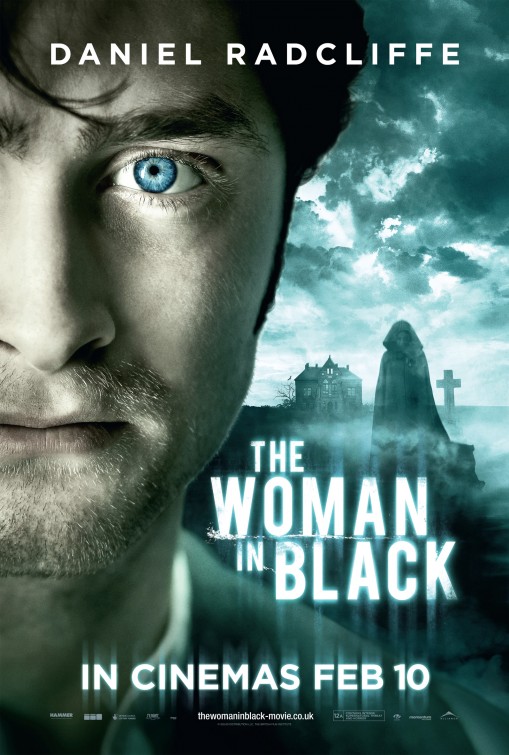 The Woman in Black was marketed in a range of different ways. Such as pioneering ways such as social media. The distributors of the film created different media accounts on websites such as Facebook and Twitter. This helped reach out to the younger side of their target audience. Another way that The Woman in Black was marketed was through traditional ways such as billboards, posters, tv and radio adverts ect. This would have reached out to the older side of the audience as they would have a higher chance of seeing the billboards/ posters. The Woman in Black also had things such as teaser campaigns. These included posters and trailers. These are mainly made to create a buzz for the film to come out and for people to start spreading the word about the new film coming out through such things as word of mouth and word of mouse. After the teaser campaign comes the main campaign,. This is where multiple trailers are released of the film and posters which created the main buzz for the film leading up to the release. One big way that the film was advertised was through Daniel Radcliff. Daniel wanted the film to get the most publicity it could to show that he could act in different films. This meant he featured on many different TV shows and interviews to publicize the film.
 3. Do you think the marketing materials for the film were appropriate? Why?
I think that The Woman in Black was advertised to the max to receive the most possible publicity. The materials they used are pioneering and suit the new age of technology, however in my personal opinion i think that the film should have been marketed as a certificate of 15 instead of a 12A. This is due to the distressing images that could possibly make a 12 year old horrified through the use of the jumpy images. In fact there were over 100 complaints towards the tone of the film as well as the theme would be too dark for a 12 year old to see. Despite this, the film was still a great success with the main marketing point of this film being Daniel Radcliff.
4. What kind of release did the film have?
 The film had a big release in the United States on the 5th of February 2012. On its opening weekend it made $20,500,000 and was showed on 2,885 screens. A week later it was released in the UK and was shown on 412 screens making £3,100,000. All together the film was shown in 2850 theaters across 46 different countries.
5. How much did The Woman in Black cost to make? (Production budget) AND what was the industry impact of The Woman in Black?
In total the cost to make The Woman in Black was estimated at $15 Million. The film however achieved a box office record which was the most successful horror film in British history. At the charts, the film was at the top in the UK for 3 weeks and after those 3 weeks the film ended up with $47,729,196 from when it was first released.
6. Why do you think the film was successful?
I think that the film was so successful because of the casting of Daniel Radcliff. This attracted a much larger audience compared to what they would have had if they got someone else to take his place. Daniel Radcliff brought the Harry Potter franchise's audience which is large and this is the reason why he was the main selling point of this film.
Thursday, 17 November 2016
Distribution and Marketing
What is meant by the
term film distribution?
Film distribution is the term used to describe what platform the film is made to be seen on (e.g. Cinema,TV/DVD etc.)
Film distribution is the term used to describe what platform the film is made to be seen on (e.g. Cinema,TV/DVD etc.)
What does a film
distributor do?
A film distributor is in charge of how the movie is released. This is important because in order for the film to become successful, the film distributor has to be able to provide the target audience of that film a range and diverse way to acknowledge the film. However in order to distribute the film, the film distributor has to learn of the films target audience. The film can either aim at a wide, mainstream audience or it can aim at more of a niche target audience. It is the film distributors job to learn everything about the target audience from what their hobbies may be, their disposable income, what clothes they wear ect. If the film distributor fails to learn of its target audience then the film will be unable to reach its target audience and in result fail.
A film distributor is in charge of how the movie is released. This is important because in order for the film to become successful, the film distributor has to be able to provide the target audience of that film a range and diverse way to acknowledge the film. However in order to distribute the film, the film distributor has to learn of the films target audience. The film can either aim at a wide, mainstream audience or it can aim at more of a niche target audience. It is the film distributors job to learn everything about the target audience from what their hobbies may be, their disposable income, what clothes they wear ect. If the film distributor fails to learn of its target audience then the film will be unable to reach its target audience and in result fail.
How
does reach relate to film distribution?
Reach relates to film distribution as it is up to the film distributor to make the film reach its target audience. If the film doesn't reach its target audience then it wont be able to get the maximum amount of profit. Reach can almost be considered as a unit of measurement for film distributors as the film depends on it reaching its target audience and if it doesn't then we know the film fails.
Reach relates to film distribution as it is up to the film distributor to make the film reach its target audience. If the film doesn't reach its target audience then it wont be able to get the maximum amount of profit. Reach can almost be considered as a unit of measurement for film distributors as the film depends on it reaching its target audience and if it doesn't then we know the film fails.
What is meant
by the distribution plan?
A distribution plan is a plan in which the film's distributors propose their technique for promoting the film. Within the reading it says 'The most important strategic decisions a distributor makes are when and how to release the film in order to optimise chances'.
A distribution plan is a plan in which the film's distributors propose their technique for promoting the film. Within the reading it says 'The most important strategic decisions a distributor makes are when and how to release the film in order to optimise chances'.
What is meant
by the marketing plan?

What is the difference between advertising, publicity and promotion?
Advertisement is the way in which the marketing team promotes the film. Since the technological advancement is so great, there are many different ways for the advertising team to advertise the film. Such as a new £50 amazon phone is coming out, however since its such as cheap smart phone amazon have to find a way to make money from it and in order to do so Amazon have filled the phone's lock screen with advertisements tailored to the user. This gives advertisement teams the best possible way to reach their audience as the look at their phone and its already on their screen. There are also the conventional ways of advertising such as TV, Radio, Newspaper, Film trailers ect.
Find a teaser poster,
teaser trailer, main poster and main trailer for a horror film and put them on
your Blog – who was the distributor and in how many countries was it released?
Can you find how many screens it was shown in on the opening weekend?
Teaser poster

Teaser Trailer
Main Poster

Main Trailer
Distributor - Warner Bros.
Countries release - 60
Screens shown - 10,400
Teaser poster
Teaser Trailer
Main Poster
Main Trailer
Distributor - Warner Bros.
Countries release - 60
Screens shown - 10,400
Monday, 31 October 2016
Men, Women and Chainsaws
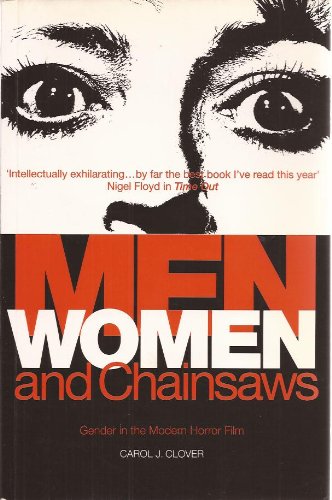

Why does Clover say that males relate to the females in horror films, in particular, the 'final girl'?
Within the book, Carol Clover states
that “Pulling gym shorts down and thumb-rubbing glasses are
things boys do to each other, not, by and large, things that girls do to each
other or that boys do to girls”. What
clover meant from this is that males share similar aspects to the final girl as
they can relate to being victimised just like the final girl experiences. Due
to being able to relate to the final girls experiences, this means that males
tend to not relate to the antagonist of the film as they are the ones who
conventionally humiliate the final girl whereas males tend to be on the
receiving end.
Why does Clover suggest that horror research is problematic?
Clover suggests
that Horror research is problematic due to the amount of analysis compared to
the audience of TV. This is mainly because most of horror films produced are
independent which means they are made less on the basis of audience statistics.
However, research that has been carried out shows that the most common horror
audience is young males (either in groups or their selves). As well as young
males we also get some middle aged – middle class males and females who like to
watch horror.
Who does Clover
suggest makes-up the typical horror audience?
As clover has
already stated, young males either within groups or by their selves make up the
bulk of the horror audience. However, Clover states that there are a few groups
who fill in the gaps of the audience such as adolescent girls/boys and middle
aged women. Another influence that attracts audience is the sub-genre of the
horror film which means the more mainstream the film is, the more normal the
audience tends to be.
Was there parity
between horror audiences in regards to those who watched horror films at the
cinema and those who watched them at home through rentals?
 As Clover
researched horror audiences, she saw a correlation between who watched horrors
at home through rentals and who watched them on the big screen. The same as
before, young males take up the bulk of the main audience within both of the
situations as well as middle aged men and nearly all of both sexes were under
the age of 25. Clover also states that the renter of said horror film is not
necessarily the only watcher or even the actual watcher.
As Clover
researched horror audiences, she saw a correlation between who watched horrors
at home through rentals and who watched them on the big screen. The same as
before, young males take up the bulk of the main audience within both of the
situations as well as middle aged men and nearly all of both sexes were under
the age of 25. Clover also states that the renter of said horror film is not
necessarily the only watcher or even the actual watcher.What are the two ways identified by Clover in which audiences identify with characters?
Within the book,
Carol clover states that there are two possible ways that the audience are able
to identify with the characters on screen. This can be done either with Primary
Identification (which is the use of camera techniques) or secondary
identification (with the character of empathic choice). Clover states that the
identification can be personally constructed from the viewer’s psyche (e.g. the
sadistic monster and masochistic victim). Carol proposes that primary
identification carries more weight out of the two as it is significant in the
way it connects characters. One theory that can back this is Mulvey’s ‘Male
Gaze’ Theory.
Thursday, 20 October 2016
Tuesday, 18 October 2016
Monday, 10 October 2016
Sunday, 9 October 2016
Halloween (John Carpenter, 1978)

1. How does the start exemplify a common technical code convention of the horror genre?
Horror films share a lot of common technical codes that are used frequently enough to become conventions. The start of the film exemplify's these with what the audience expects from the 'slasher' genre. One of these conventions is the sound track. The music is parallel which means it matches what is on screen so it enhances the experience of the viewing. Another common technical code is the use of the POV for restricted narration. This makes the audience more involved within the film as we watch the killer kill his sister from his point of view, this is conventional for the horror genre.
2. How does the setting fit with the horror genre
 The movie is set in a small suburban town in Illnois, America. Within the town there is everything that you would conventionally find within a horror setting such as large luxurious houses and a graveyard. This gives the representation of 'your own home' and how you're not safe in it. The small town also connotes that it is a little community and that everyone knows everyone which means anyone can be a victim. After Michael Myers kills his sister he is then admitted to a mental asylum and 15 years later he is still there. This gives the impression that Mike is still a dangerous person and when we see all the patients out on the field it connotes danger. This fits into the convention of horror showing that no where is safe. The time that the story is set is also conventional as it is Halloween night in which monster come back to life.
3. What iconography of 'innocence' do we hear or see early on?
Right at the start of the opening sequence we can hear children singing Trick or Treat which connotes innocence as children are seen as pure. We also see Laurie who is seen as the as the 'Girl Scout' and is the virginal character who is more interested in her studies rather that sex and boys like her other friends.
4. What was the main industry impact of Halloween
Halloween was very cheap to make, however from this it made lots of profit which lead to the creation of many sequels and copycats of the film. The reason that the film was so cheap was because they didn't use big stars who would have cost a lot to hire. The film also contained little gore so no special effects were needed.
5. Name some 'slasher' films which followed on from Halloween
- Friday 13th
- Prom Night
- Terror Train
6. What are the four plot rules of the 'slasher' film sub-genre which Halloween began.
- A traumatic event in the past which creates a psychopathic killer.
- The killer returns to the site, usually on a specific date.
- The killer stalks and kills a group of teens, conventionally with a blade.
- A final girl survives who is boyish and a virgin.
 7. Give three ways in which Laurie is androgynous
- Not interested in boys or sex
- Has a deep boyish voice
- Dresses boyish with no makeup
8. What does the extract mean by 'a reactionary sexual agenda'
A reactionary sexual agenda is when the virginal character survives compared to the ones who are sexually active who conventionally die. In other words those who have sex get punished. This can be directly related to the outbreak of AIDS and how people were dying for having sex.
9. How does the director, John Carpenter, counter the suggestion that Halloween had a reactionary sexual agenda?
John Carpenter however countered this argument by saying that they didn't die because they had sex but simply because they were distracted and weren't aware of what was happening around them. Throughout the film Laurie is always aware and we can tell this from here always being the one to see Mike Myers.
10. Why does Mike Myers kill his sister?
Within the film we never actually know why Mike killed his sister but from his doctor we are only able to hear him say that he is just pure evil and that he shouldn't be released from the mental asylum that he is kept at.
Within the film we never actually know why Mike killed his sister but from his doctor we are only able to hear him say that he is just pure evil and that he shouldn't be released from the mental asylum that he is kept at.
Wednesday, 28 September 2016
Tuesday, 27 September 2016
History of Horror
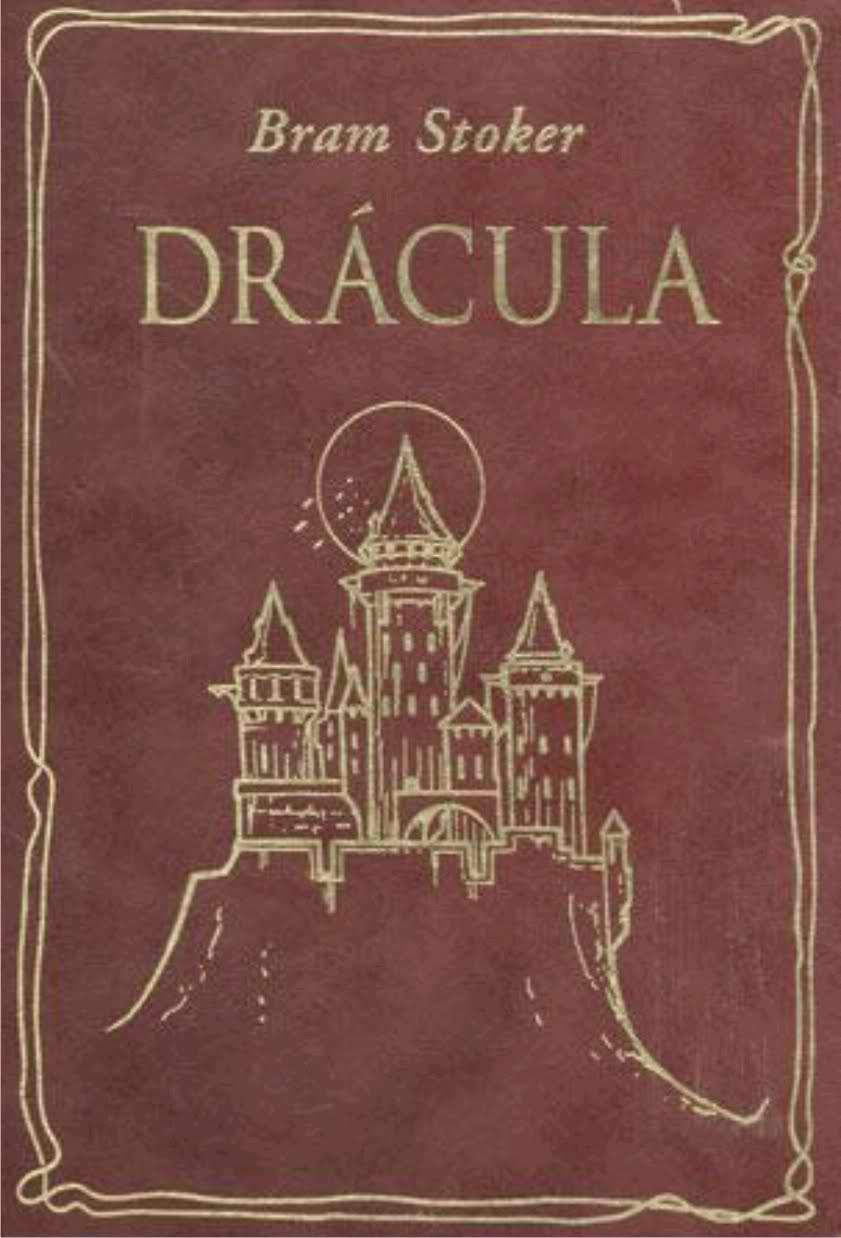
Horror first embedded its roots in the 19th
century with the three great horror stories which were Frankenstein, Dracula
and Dr Jekyll and Mr Hyde. Frankenstein, the first Gothic horror story, was
released in 1818 by Mary Shelley followed by Dracula being published in 1879 by
Bram Stoker. It was from these stories that the first horror films found
inspiration as the genre was so popular in both books and theater at the time
even though the term horror did not come into use for film until the 1930’s.
Still, filmmakers showed an interest in the genre as it can be seen from ‘Spook
Tale’ from 1895 created by the Lumiere brothers.


In the early 20th century, silent films were still exploring the possibilities with this new medium and several experiments were carried out including Frankenstein adapted by Thomas Edison’s studios in 1910. Including ‘The Manor of the Devil’ which is considered to be the first horror film with iconographic bats, castles, trolls, ghost and a demon created by George Méliès created in 1896. However, the heart of horror in silent films would start only after the First World War in Germany.

In the 1930’s, there was one studio responsible for the first cycle of horror films, Universal Pictures. During the silent era, Universal was responsible for the few achievements in American horror most notably The Phantom of the Opera and Hunchback of Notre Dame. But in the 1930s, they took movies back to their literary roots and based their style on 19th century gothic horror. Their first hit was ‘Dracula’ directed by Tod Browning and then ‘Frankenstein’ directed by James Whale. Other films to be released in the 1930’s were ‘The Invisible Man’ and ‘The Mummy’. However towards the end of the 30’s literature based movies began to die down due to repetitive sequels.
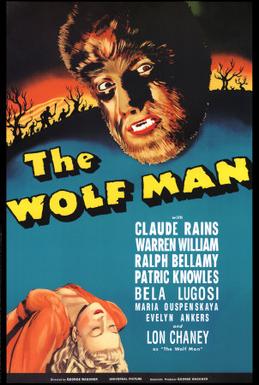 During the 1940’s, World War 2 had been at its worse state
which in turn affected the film industry. Adolf Hitler was the main inspiration
for wolf movies as Adolf in old German means noble wolf and from this
propaganda was used to portray Hitler as a Big Bad Wolf. This caused Universal
Pictures to choose wolves as their antagonist’s for their films within the
1940’s. Their first film was ‘The Wolfman’ which was produced in 1941. The
Wolfman is one of the top three tier Universal monsters and it was even written
by a man who escaped Germany himself, Curt Siodmak. Whilst Wolfman was to
represent males, ‘Cat People’ were the female alternative. Both of these were
supposed to represent the primal animal within both of the genders. ’Cat
People’ was produced in 1942.
During the 1940’s, World War 2 had been at its worse state
which in turn affected the film industry. Adolf Hitler was the main inspiration
for wolf movies as Adolf in old German means noble wolf and from this
propaganda was used to portray Hitler as a Big Bad Wolf. This caused Universal
Pictures to choose wolves as their antagonist’s for their films within the
1940’s. Their first film was ‘The Wolfman’ which was produced in 1941. The
Wolfman is one of the top three tier Universal monsters and it was even written
by a man who escaped Germany himself, Curt Siodmak. Whilst Wolfman was to
represent males, ‘Cat People’ were the female alternative. Both of these were
supposed to represent the primal animal within both of the genders. ’Cat
People’ was produced in 1942.
In the late 1940’s radioactive weapons started to come into
reality and this created the fear of a nuclear war. From this fear, filmmakers
took this opportunity to make films based on these fears and created the new
‘mutant creatures’ sub-genre. As well as monsters, invasions were also feared
among the general public, as if they were attacked then America would become a
communist country which was feared the most at the time. This fear of invasion
created the sci-fi horror genre. During the 1950’s, horror films got relegated
to B-movie Status, which is a low budget movie designed to play before a main
feature film. However these films were still popular with teens at the time.
Horror films started to use the audiences fears with their cycle of Pulp
Science Fiction films like ‘The Thing From Another World’ and ‘The Day The
Earth Stood Still’ both from 1951. The fear of nuclear war also created the Japanese
nuclear monster ‘Godzilla’ which was produced in 1954.
.jpg) As horror moved into the 1960’s, we begin to see different
styles and cycles into the horror genre as it gained in popularity, prestige
and freedom once censorship became less strict and the production code was
abandoned in 1964. The 1960’s showed that horror was more than a B-movie with
Alfred Hitchcock’s ‘Psycho’. Unlike the monsters of previous horror cycles,
Norman Bates was an every day human on the outside but on the inside he was a
psychological monster and then he would
go on 3 years later to produce ‘The Birds’. Zombie films also started to become
more popular compared to what they were like within the 1930’s and George A.
Romeo gave audiences a brand new experience with his ‘Night of the Living Dead’
bringing horror and comedy into one. As well as zombies, ghosts also became
more popular such as ‘Carnival of Souls’ in 1962 and ‘The Haunting’ in 1963.
As horror moved into the 1960’s, we begin to see different
styles and cycles into the horror genre as it gained in popularity, prestige
and freedom once censorship became less strict and the production code was
abandoned in 1964. The 1960’s showed that horror was more than a B-movie with
Alfred Hitchcock’s ‘Psycho’. Unlike the monsters of previous horror cycles,
Norman Bates was an every day human on the outside but on the inside he was a
psychological monster and then he would
go on 3 years later to produce ‘The Birds’. Zombie films also started to become
more popular compared to what they were like within the 1930’s and George A.
Romeo gave audiences a brand new experience with his ‘Night of the Living Dead’
bringing horror and comedy into one. As well as zombies, ghosts also became
more popular such as ‘Carnival of Souls’ in 1962 and ‘The Haunting’ in 1963.
On the other side of the Atlantic Ocean, Hammer Films
Productions within the United Kingdom had begun rebooting universals Gothic
Monsters but adding sex and gore. Hammers first gothic reboot was ‘The Curse of
Frankenstein’ which was filmed in full colour. Between 1957 and 1974, Hammer
put out 7 Frankenstein movies, 6 Draculas, 9 other vampire films, 2 Jekyll
& Hydes and 3 Mummy films. This made Hammer a complete success from their
colour reboots and put the United Kingdom on the map for film.
As the 1980’s came around horror took a different approach with their gory slashers and body horror, such as John Carpenter’s ‘Halloween’ 1978 and Wes Craven’s ‘A Nightmare on Elm Street’ 1984. However, whilst making these they didn’t realise that too much gore has the opposite effect of horror and people become desensitized to it which makes the audience not find it scary or effective. Although people didn’t find this effective, the ethos of the 1980’s was ‘excess is best’ which saw films have lots and lots of gore. This in turn, made the slasher genre fall into a pit of predictability and parody from the ever repeating story line. Also the 1980’s saw the birth ‘Scream’ and this created the successful sequel.
As film progressed, technology also became a lot more advanced and this meant that directors could make films look more realistic and this made them more terrifying than ever before. This created the ‘Video Nasties’ which were films considered to be too violent or pornographic. This saw the demise of films such as ‘The House by the Cemetery’ and ‘The Evil Dead’.
n the 2000's it was mainly fantasy but realism was starting
to appear through films such as 'Final Destination' and 'American Psycho' with
the introduction of animal films such as 'Crocodile' and 'Python'. Final
Destination was so successful because it introduced everyday horrors that could
occur; for example the plane crash scene was far more horrifying after the 9/11
attacks that happened a year later. 28 days later was an iconic movie in the
2000's because it was the first film since 9/11 and final destination that once
again took realistic potential horror to the big screen. This was done by
exaggerating a flu virus and how devastating it could be to our economy and way
of life. This was such a big hit because there were two strains of avian flu
that were of huge concern to the government’s and public safety. Much like
Ebola was feared in 2014. As horror progressed through the years, around 2009
the realism aspect of the genre wasn’t as effective and paranormal films became
popular due to Japanese culture and American remakes. This was due to the
release of the popular film paranormal activity in 2007 which caused a huge
increase in demand for paranormal and supernatural films. In 2016 the films
that have been released still follow the trend of being paranormal and
supernatural orientated films. However, lots of the new horror films are going
back to similar roots to the early 2000's where they would play on basic human
rational fears and exaggerating them. This is most visible in the new
paranormal film called 'lights out' which plays on the basic human fear of the dark.
This makes the film so effective because it plays on an everyday and common
fear. As well as paranormal films, gore films also make a comeback within the
2000’s are were as popular as ever. It takes inspiration from Hammer Horror era
with lots of blood and gore and some iconic gorenography franchises such as ‘Saw’
which is one of the most successful horror franchises ever created.


Thursday, 8 September 2016
Subscribe to:
Comments (Atom)